
Book website design for The Six Circles Framework
The Six Circles Framework is Yasser Fathy’s one-page framework for lasting personal change. I designed and built the book’s Webflow website so readers can understand the idea, meet the author and get the book in one calm scroll.
The homepage, told in six circles
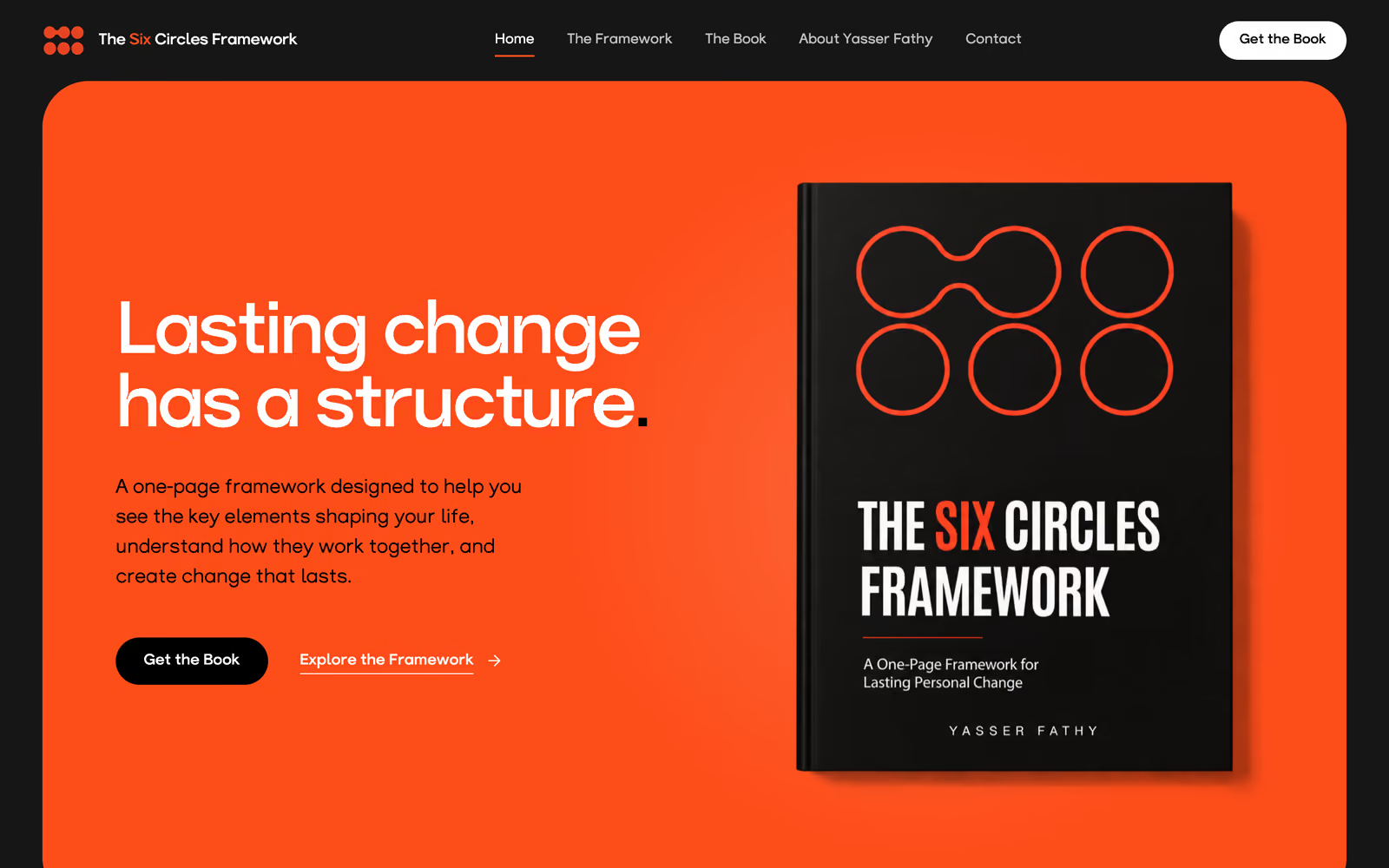
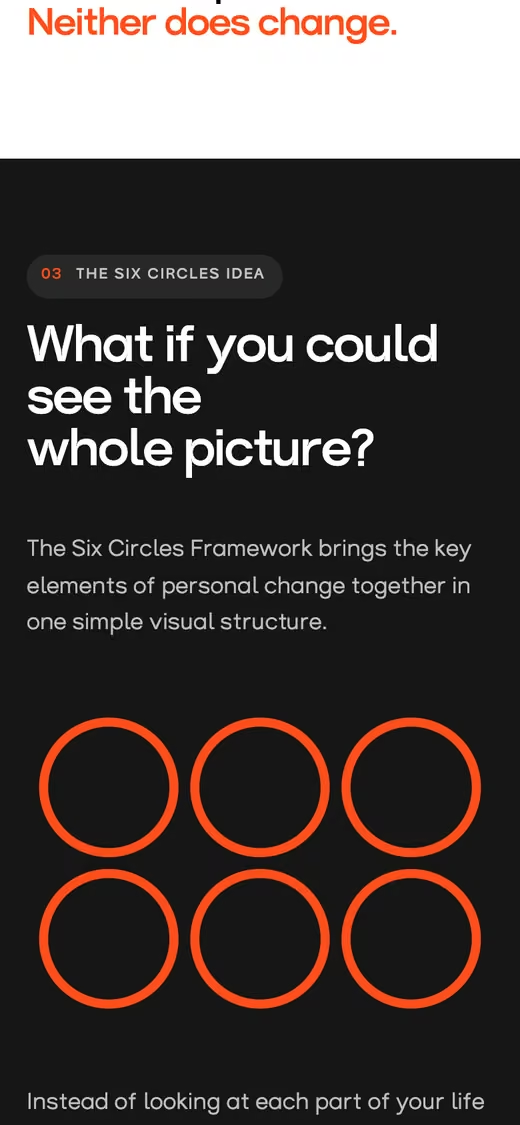
It felt right to shape the homepage like the framework itself. Six sections, each one a circle, walk a reader from a familiar problem to the book in their hands.
Promise
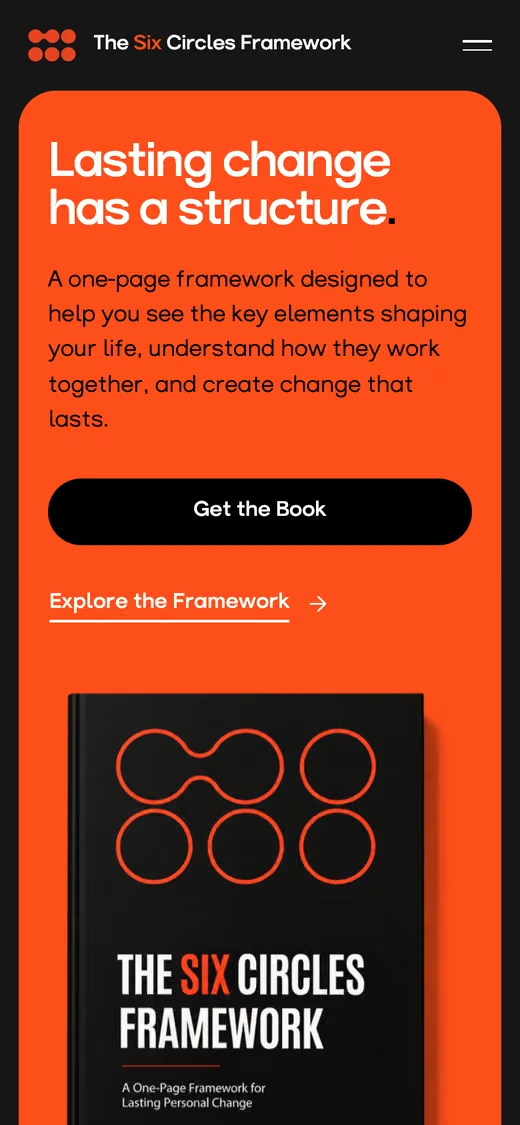
“Lasting change has a structure.” sits beside the cover, with Get the Book.
Problem
“Wanting change is often not enough.” meets readers where they are.
Idea
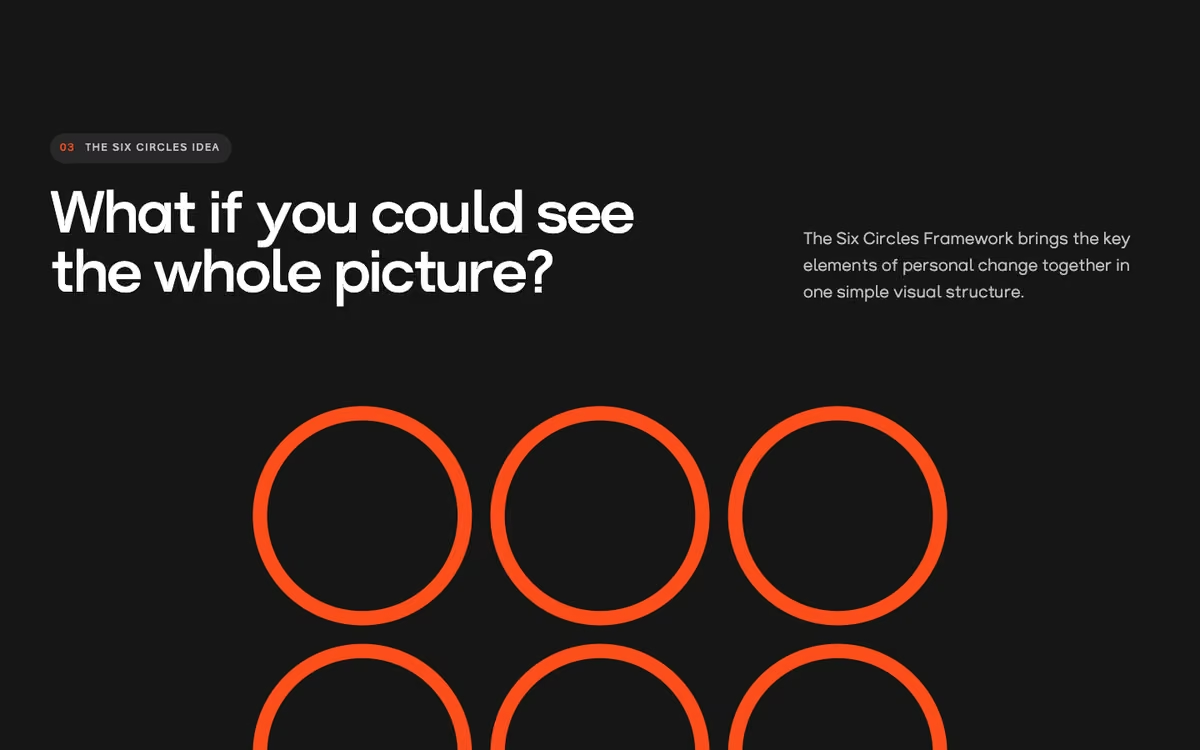
“What if you could see the whole picture?” brings in the six circles.
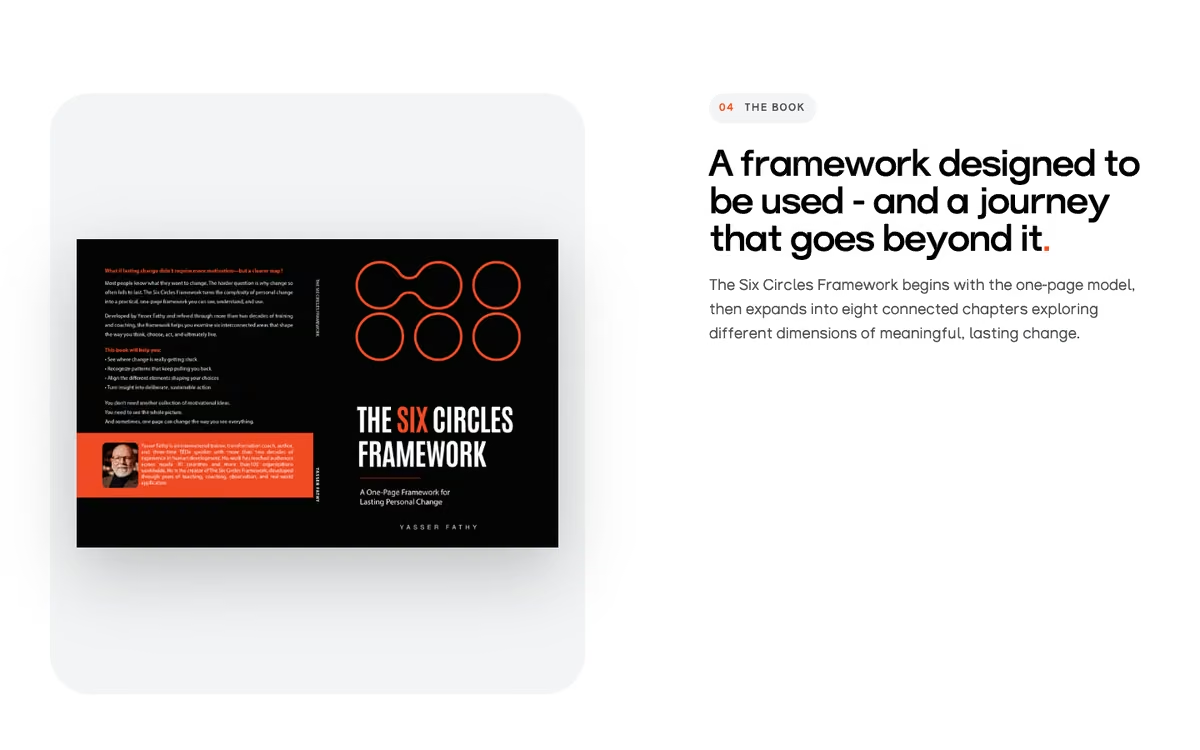
Book
A framework designed to be used, and a journey that goes beyond it.
Proof
Developed through years of real-world application.
Author
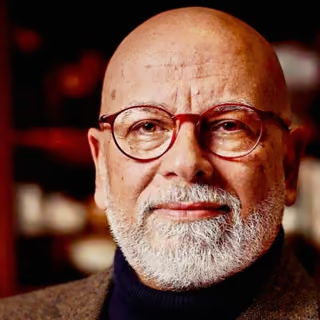
Yasser Fathy in person, then “The book is only the beginning.”
What is The Six Circles Framework website?
It is the official website for The Six Circles Framework, a book by Yasser Fathy about making personal change last. I designed and built it in Webflow. The homepage names the problem, shows the framework, presents the book and its author, and invites readers to get the book or join the community.
The whole homepage, in 206 KB
Light pages feel calm, and Google rewards them. This is everything a phone downloads to show the homepage, next to the median mobile homepage reported by the HTTP Archive Web Almanac.
Calm on a laptop, lovely on a phone
The same story holds on every screen size: the cover first, the idea next and one clear button to get the book.
One confident orange does all the pointing.
A bright orange against near black and soft white makes the cover and the buttons impossible to miss, while one rounded sans serif keeps every page calm and modern. Everything is built in Webflow, so the book details can be updated without touching code.
A book website checklist, ticked
If you are planning a website for your own book, these are the six things I would gently make sure of first.
The cover comes first
Readers see the book on the first screen, right beside the Get the Book button.
One main action
Get the Book appears in the hero and again halfway down, and both lead straight to the store.
The idea, drawn
Six simple circles explain the framework faster than a paragraph could.
A warm author introduction
A photo and a short story put a face to the ideas.
A reason to stay in touch
“The book is only the beginning.” leads into the Join the Circle sign-up.
Light and quick
About 206 KB on a phone, so the page opens without a wait.
Book website questions, answered
What should a book website include?
The cover, one clear line about what the book offers, a button to buy it, a short section about the idea, a warm author introduction and a way to stay in touch, such as an email sign-up.
Does a book need its own website, or is an author website enough?
Both can work. A dedicated book website helps with a launch or with a framework people will search for by name, while an author website brings all your books together. Many authors keep both and link them.
What is a good page weight for a book website?
As light as you can make it while it still looks beautiful. This homepage transfers about 206 KB on a phone, helped by compressed AVIF photos and a small set of fonts.
Can a book website be built in Webflow?
Yes. This one is built in Webflow, which keeps the design flexible and lets the book details and pages be updated without touching code.
Should a book website have an email sign-up?
Yes, if you plan to share more with your readers. A simple sign-up turns one visit into a lasting connection. This homepage ends with an invitation to Join the Circle.
How much does a book website cost?
It depends on the number of pages and the features you need, such as a sign-up form or a framework page. Please share a few details through the short form and I’ll reply with a clear, no-obligation quote.
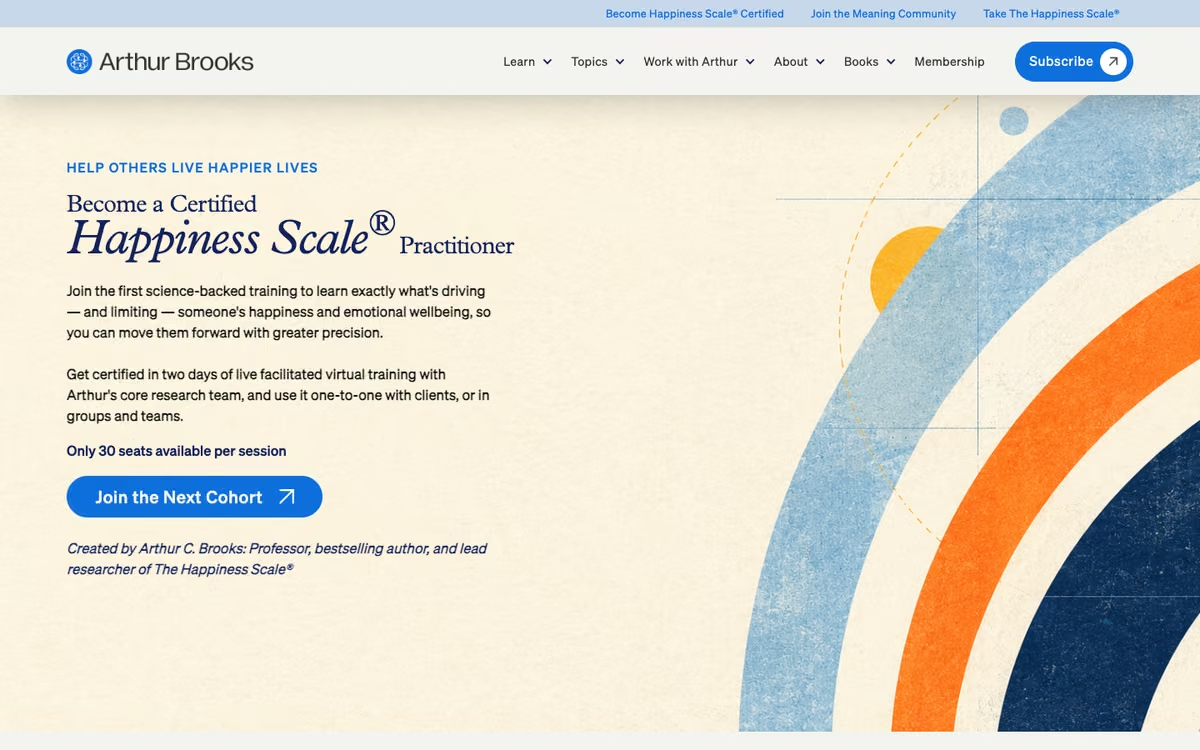
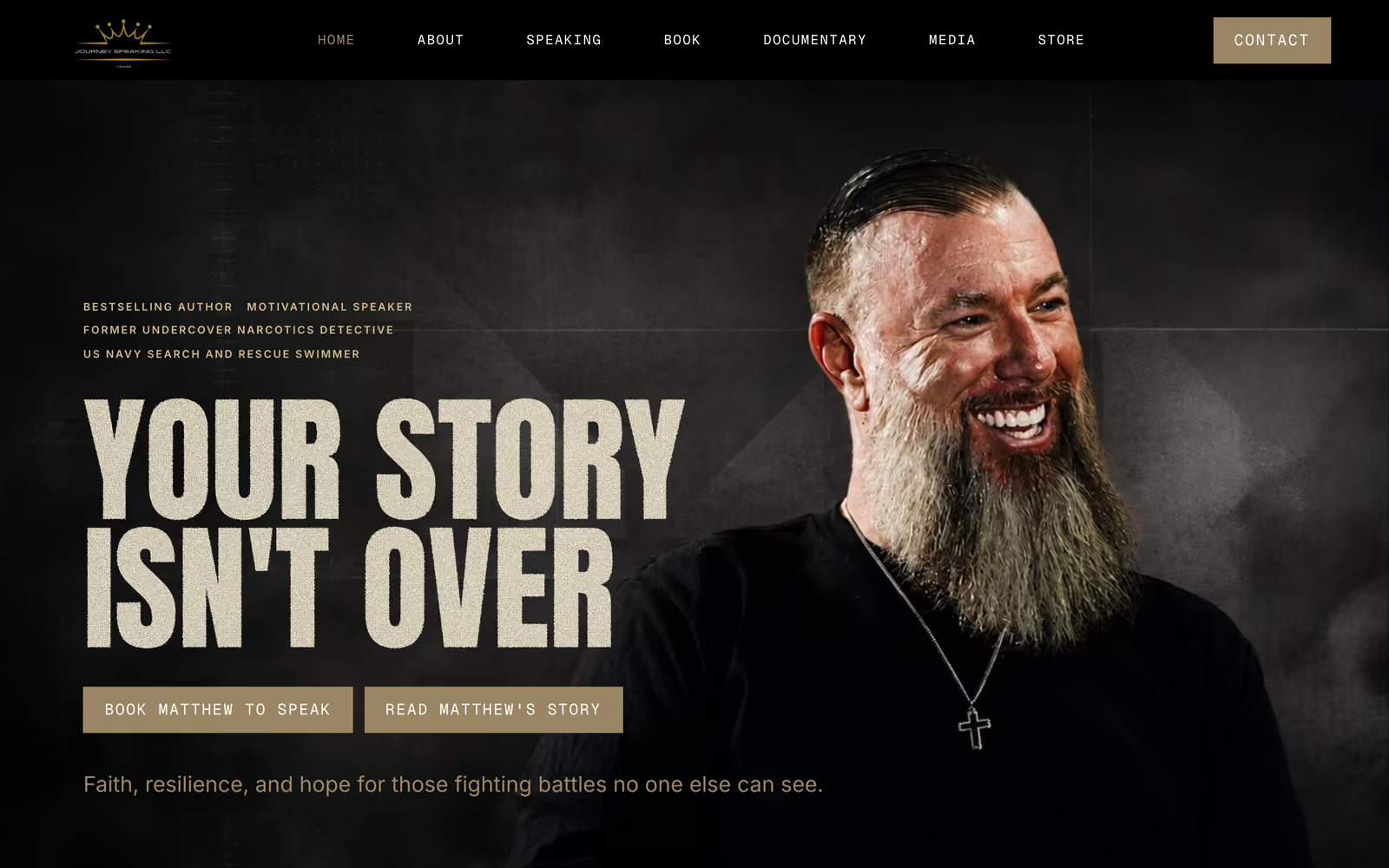
More websites for authors and speakers

Would you like a book website that is light, calm and lovely to read?
Please tell me about your book and the readers you hope to reach. I’ll reply personally with ideas and a clear, no‑obligation quote.